Skip to content
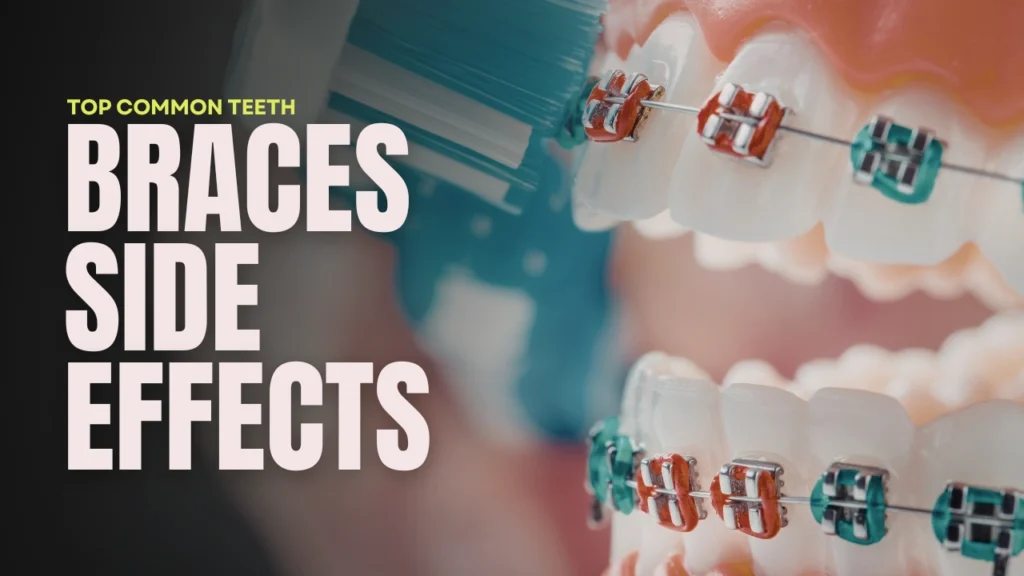
Getting braces is one of the most effective decisions you can make for your smile. Whether you are an adult professional in Lagos finally addressing a long-standing concern, or a parent taking your child for their first orthodontic consultation, the outcome, straight teeth and a healthier bite, is absolutely worth it.
That said, going in with realistic expectations makes the entire process smoother. Braces work by applying continuous pressure to your teeth over time, and that process comes with some side effects. And no, these are not detrimental side effects. Most of these side effects are temporary and very manageable. A few are worth monitoring closely.
The 5 most common side effects of teeth braces are:
- Soreness and Discomfort After Each Adjustment
- Mouth Sores and Soft Tissue Irritation
- Difficulty Eating and Dietary Restrictions
- Increased Plaque Buildup and Risk of Tooth Decay
- Temporary Speech Changes
1. Soreness and Discomfort After Each Adjustment
This is the first common side effect of teeth braces across all types, metal, ceramic, and clear aligners alike. After your braces are first fitted, and after every subsequent tightening or aligner change, your teeth will feel tender and sore for a few days. This happens because the pressure being applied is actively shifting your teeth, and the surrounding tissue responds to that movement.
The soreness typically peaks around 24 to 72 hours after an adjustment and then gradually eases. It rarely stops patients from going about their day, but eating hard or crunchy food during this window will make things more uncomfortable than they need to be.
Soft foods help significantly during these periods. Warm pap, mashed potatoes, and yoghurt are practical options. Over-the-counter pain relief can also take the edge off if needed, but check with your dentist before taking anything routinely.
With clear aligners specifically, each new tray brings a similar adjustment period, though many patients report the discomfort being milder compared to metal or ceramic braces.
2. Mouth Sores and Soft Tissue Irritation
Metal and ceramic braces involve brackets bonded to the surface of your teeth, and wires threaded between them. The inside of your lips and cheeks are not used to that level of contact, and in the early weeks, friction from the hardware can cause small ulcers or raw patches on the soft tissue.
This side effect tends to be most noticeable in the first two to four weeks of treatment when your mouth is still adjusting. The good news is that the tissue toughens over time and the irritation usually resolves on its own.
Orthodontic wax is a simple and effective solution. Rolling a small piece over a bracket or wire that is irritating creates a smooth barrier between the metal and your inner lip.
Invisalign braces users generally experience less of this since there are no brackets or wires involved. However, the edges of the aligners can occasionally feel sharp against the gums, particularly on a new tray.
3. Difficulty Eating and Dietary Restrictions
Another side effect that you’ll experience using braces is dietary restrictions. Braces change how you eat, at least temporarily. With fixed braces, certain foods become genuinely problematic. Hard foods like raw carrots, suya, and crunchy snacks can dislodge brackets or bend wires. Sticky foods like toffee or certain sweets can pull at the hardware. Biting into something directly with your front teeth, a corn cob or an apple, is off the table for the duration of treatment.
For Lagos patients, this means making adjustments to everyday meals. Some of the foods that come up most in patient conversations include suya and fried plantain. None of these are permanently banned, but preparation matters. Cutting food into smaller pieces rather than biting directly makes a real difference.
To avoid this, you can switch to Invisalign with more flexibility. You can easily remove the braces (Invisalign) before eating, which means there are no dietary restrictions in the traditional sense. The trade-off is discipline. The aligners need to be worn 20 to 22 hours a day to be effective, so they go back promptly after meals and drinks other than water. You can read more on Invisalign vs other braces.
4. Increased Plaque Buildup and Risk of Tooth Decay

This is one of the more clinically important side effects and one that does not get enough attention. Braces create more surfaces for food and plaque to accumulate around. Brackets, wires, and bands all create areas that a standard toothbrush cannot easily reach. If oral hygiene is not adjusted to account for this, the risk of white spot lesions, early-stage tooth decay around the brackets, goes up considerably.
White spot lesions are small, chalky areas on the tooth surface caused by mineral loss. They can become permanent if not addressed and are one of the more frustrating outcomes of poorly maintained oral hygiene during orthodontic treatment.
The solution is not complicated, but it does require consistency. Brushing after every meal, using an interdental brush to clean around brackets, and incorporating fluoride mouthwash into your daily routine all significantly reduce this risk. You can book a consultation with us, and we will walk you through the right technique at the start of treatment.
Even if you are thinking of Invisalign, you’re not exempt from this concern either. Wearing aligners over teeth that have not been brushed properly after eating creates a warm, closed environment where bacteria thrive.
5. Temporary Speech Changes
Many patients, particularly those getting braces for the first time as adults, are not warned about this one. In the first few days after fitting, it is common to notice a slight lisp or change in the way certain sounds are formed. This is especially noticeable with ceramic braces and clear aligners, both of which add bulk or coverage to areas of the mouth involved in speech.
The speech adjustment is typically minor and resolves quickly as the tongue and lips adapt to the new hardware. Most patients find that within a few days, their speech has returned to normal. Reading aloud, having conversations, and simply continuing to talk as you normally would tend to accelerate the adjustment.
For professionals who speak extensively at work, such as lawyers, teachers, customer-facing staff, and anyone who presents regularly, it is worth being aware that the first few days after fitting may involve a brief adjustment period.
A Note on Tooth Extraction Before Braces
Some orthodontic treatment plans require one or more teeth to be removed before braces are fitted, usually to create enough space for the remaining teeth to move into proper alignment. If your dentist recommends this, it is worth understanding the long-term side effects of tooth extraction in that context.
When extraction is done as part of a planned orthodontic treatment, the space is intentionally closed by the movement of surrounding teeth over time. This reduces the risk of bone loss in the extraction site, which is the more significant long-term concern when a tooth is removed without replacement. Your orthodontist will factor this into the treatment plan from the start.
Book a consultation at Dr. Reach Dental Clinic today so we can assess your situation and give you the best dental care in Lagos, personalised to you alone. You can also read the most comprehensive article on the cost of braces in Lagos, Nigeria.
Frequently Asked Questions
Clear aligners tend to cause less soft tissue irritation since there are no brackets or wires. However, discomfort from tooth movement itself is present with every type of brace. The degree varies by individual more than by brace type.
The initial soreness after fitting usually passes within three to five days. Recurring soreness after adjustments typically lasts two to three days. Side effects like dietary restrictions and oral hygiene demands last throughout treatment, which can range from 12 months to over two years, depending on the complexity of the case.
This depends on the stage of your treatment and the clinical requirements of your case. It is not always possible mid-treatment. The better approach is to discuss your concerns early so your dentist can help manage them before they become a reason to consider switching. You can check the best dental clinics in lagos for braces to make your decision.