Skip to content
Tooth extraction is one of the most common dental procedures performed worldwide, yet it remains one of the most feared. Many patients in Lagos arrive at the dental chair having spent days or weeks dreading the appointment, often because they do not know what to actually expect. Understanding the full picture, from why extractions are necessary to how the healing process works, makes the experience significantly less intimidating.
This guide covers everything you need to know, whether you are dealing with a broken tooth or simply want to understand the procedure before booking an appointment.

What Is Tooth Extraction?
Tooth extraction is the complete removal of a tooth from its socket in the jawbone. It is performed by a dentist or oral surgeon and can involve anything from a straightforward removal of a fully visible tooth to a more complex surgical procedure for teeth that are impacted, fractured below the gum line, or deeply embedded in bone.
There are two main categories, the simple and surgical extraction. A simple extraction involves a tooth that is visible above the gum and can be loosened and removed with dental instruments under local anaesthesia. A surgical extraction is required when the tooth has not fully erupted, has broken at the gum line, or needs to be accessed through the surrounding tissue or bone.
Your dentist will use local anaesthesia for both types, meaning the area is fully numb before anything begins. You may feel pressure and movement during the procedure, but not sharp pain.
Indications of Tooth Extraction: When Is It Necessary?
Not every damaged or painful tooth needs to come out. Dentists will always attempt to save a natural tooth where possible and at Dr. Reach Dental Clinic, this is always our position. However, there are clear clinical situations where extraction becomes the most appropriate course of action. Some of these situations are severe tooth decay, advanced gum disease, impacted wisdom teeth, broken tooth, orthodontic preparation, overcrowding, etc.
Severe tooth decay. When decay has destroyed enough of a tooth’s structure that a filling, crown, or root canal cannot restore it to function, removal is often the only remaining option.
Advanced gum disease. Periodontal disease that has progressed to the point where the bone supporting a tooth has been significantly lost can leave the tooth too unstable to save. In these cases, extraction prevents further damage to surrounding teeth and tissue.
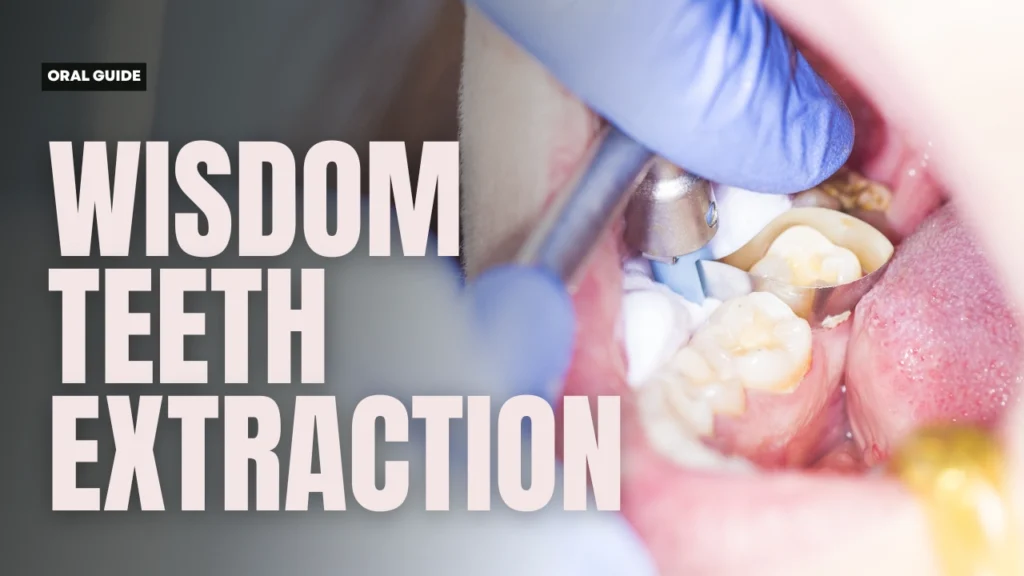
Impacted wisdom teeth. Wisdom teeth that are partially or fully trapped beneath the gum are among the most common reasons for extraction. When they push against neighboring teeth, cause recurring infection, or develop cysts, wisdom tooth extraction becomes necessary.
Broken tooth extraction. A tooth that has fractured at or below the gum line, due to trauma, biting on a hard object, or severe decay, often cannot be restored and requires removal. Broken tooth extraction can be more complex than a standard procedure depending on how much of the root remains intact.
Orthodontic preparation. Some patients require one or more teeth removed before braces to create the space needed for proper alignment.
Overcrowding. When teeth are too crowded and there is insufficient space in the jaw, selective extraction can support better long-term oral health and make orthodontic treatment more effective.
Infection or abscess. An untreated tooth infection that has spread to the surrounding bone or cannot be resolved with root canal treatment may require extraction to stop further spread.
The Tooth Extraction Procedure: Step by Step
Understanding the tooth extraction procedure removes a lot of the anxiety around it. Here is what actually happens from the moment you sit in the chair.
Step One: Assessment
Before any extraction, your dentist will assess the position of the tooth, the severity of the damage, and its relationship to surrounding structures. This is what determines whether a simple or surgical approach is needed.
Step Two: Anaesthesia
Local anaesthesia is administered to numb the tooth, gum, and surrounding area completely. This takes a few minutes to take full effect. You will feel the injection, but the actual extraction should be painless. If you feel anything sharp during the procedure, tell your dentist immediately.
Step Three: Loosening and removal
For a simple extraction, the dentist uses an instrument called dental elevator, to loosen the tooth within its socket, then uses forceps to rock it gently back and forth until it can be removed. The sensation is pressure, not pain.
For a surgical extraction, the dentist may need to make a small incision in the gum, remove a small amount of bone surrounding the tooth, or section the tooth into pieces before removing it. This is standard practice for impacted wisdom teeth.
Step Four: Closure
After the tooth is removed, the socket is cleaned. Stitches may be placed depending on the complexity of the procedure. A gauze pad is placed over the socket and you will be asked to bite down on it to help a blood clot form, which is a critical part of the healing process.
The entire procedure typically takes between 30 minutes and an hour depending on the complexity.
Tooth Extraction Healing: What the Recovery Timeline Looks Like
Understanding the healing process helps you know what is normal and what is not.
Day 1. A blood clot forms in the socket. This is essential for healing and you must protect it. Avoid rinsing vigorously, spitting, or using a straw, as these actions can dislodge the clot.
Days 2 to 3. Swelling is usually at its peak during this window. Applying a cold compress on the outside of the cheek in 20-minute intervals helps manage this.
Days 4 to 7. Swelling and discomfort begin to reduce noticeably. The gum tissue starts closing over the socket. Any stitches placed are typically reviewed or removed around day seven.
Weeks 2 to 4. The soft tissue continues to heal. The socket gradually fills in, though full bone healing beneath the surface takes several months.
For wisdom tooth extraction recovery specifically, the timeline follows a similar pattern, though recovery may take slightly longer depending on whether the procedure was simple or surgical.
For a detailed guide on how to manage your recovery day by day, visit our guide on What to Do After Tooth Extraction.
How Much Does Tooth Extraction Cost in Lagos?
Tooth extraction cost in Lagos varies depending on several factors: whether the extraction is simple or surgical, the position of the tooth, whether X-rays are required, and the specific clinic. On an average, the price of tooth extraction is ₦30,000 upward. For surgical tooth extraction, the price is ₦80,000 upward.
A simple extraction will cost less than a surgical tooth removal, which involves more time, technique, and sometimes sedation.
At Dr. Reach Dental Clinic, our patients receive a full assessment before any extraction, and the cost is explained clearly before the procedure begins. We also have an installmental payment plan for our patients, with a certain amount paid in advance.
If you have been searching “how much is tooth extraction in Lagos” or “tooth extraction cost in Nigeria,” the most accurate answer is ₦30,000 and above. But you should book an in-person consultation, since no two cases are identical.
Broken Tooth Extraction: Is It More Complicated?
Yes, in most cases. When a tooth has fractured at the gum line or below it, the dentist cannot simply grasp and remove it the way they would with an intact tooth. Broken tooth extraction often requires a surgical approach: the gum tissue may need to be opened, the remaining root sections accessed, and the fragments carefully removed one by one.
Patients often delay seeking treatment for a broken tooth because there is no pain, particularly if the nerve has already been affected by decay. This delay can make the eventual extraction more involved, as surrounding tissue may have shifted or infection may have set in. If you have a broken or cracked tooth, even without pain, it is worth having it assessed sooner rather than later.
Frequently Asked Questions
With proper local anaesthesia, you should not feel any pain during the extraction itself. Pressure and movement are normal sensations. If you feel sharp pain at any point, tell your dentist immediately.
The gum surface typically closes within one to two weeks. Full bone healing in the socket takes between two and six months, though most patients resume normal eating and activity within a week.
For a simple extraction, most patients return to desk-based work the next day. After a surgical extraction or wisdom tooth removal, taking two to three days off is more practical, especially if swelling is significant.
Avoid smoking, using a straw, rinsing vigorously, strenuous exercise, and hot food or drinks for the first 24 to 48 hours. All of these can interfere with blood clot formation and delay healing.
Book Your Extraction Consultation at Reach Dental Clinic
If you have a tooth that is causing you pain, has broken, or has been flagged for removal by a previous dentist, the right first step is a proper assessment. At Dr. Reach Dental Clinic, we approach every extraction with a clear explanation of what is involved, what it will cost, and how to make your recovery as smooth as possible.
You do not have to dread this procedure. With the right team and the right information, tooth extraction is straightforward and manageable. Book your appointment today for tooth extraction at Dr. Reach Dental Clinic, Yaba.