Skip to content
If you have been avoiding the dentist because of a toothache or a cavity you noticed months ago, you are not alone. A lot of people in Lagos put dental visits on hold, between work, traffic, school runs, and everything else on the daily list. But a cavity does not fix itself, and the longer you wait, the more involved the treatment becomes.
A tooth filling is one of the most common dental procedures, and in most cases, it is quick, straightforward, and manageable. This guide covers everything you need to know: the types of fillings available in Lagos, how much they cost, what the procedure actually feels like, and how to care for your tooth afterward.

What Is a Tooth Filling?
A tooth filling is a restorative dental procedure used to repair a tooth that has been damaged by decay, a crack, a chip, or excessive wear. The dentist removes the damaged or decayed part of the tooth, cleans the area, and fills the space with a suitable material to restore the tooth’s shape and function.
The goal is simple: stop the damage from spreading, protect the tooth from further decay, and allow you to eat and speak normally without discomfort.
Fillings are not just for cavities. They are also used to repair teeth that have been cracked from biting something hard, worn down from grinding (bruxism), or chipped from an impact. The procedure can apply to any tooth in the mouth, including both front and back teeth.
| Why You Should Not Delay a Filling A small cavity treated early requires a simple filling. Left untreated, the decay reaches the inner pulp of the tooth, which then requires a root canal or, in severe cases, extraction. The cost and complexity increase significantly the longer treatment is postponed. |
Signs You May Need a Tooth Filling
Not every toothache point to a cavity, but certain symptoms are clear indicators that something is wrong and needs professional attention. Some of the major includes the following:
- Persistent sensitivity when eating or drinking anything hot, cold, or sweet
- A sharp or throbbing ache in a specific tooth
- A visible hole, dark spot, or pit on the surface of a tooth
- Food consistently gets stuck in the same spot when you eat
- A rough or uneven edge that you can feel with your tongue
- A previous filling that feels loose, cracked, or has fallen out
- Discomfort when biting or chewing on one side
None of these symptoms should be ignored. A dental examination at a dental clinic in Lagos will confirm whether a filling is needed and how deep the damage has gone.
What Happens If You Ignore a Cavity?
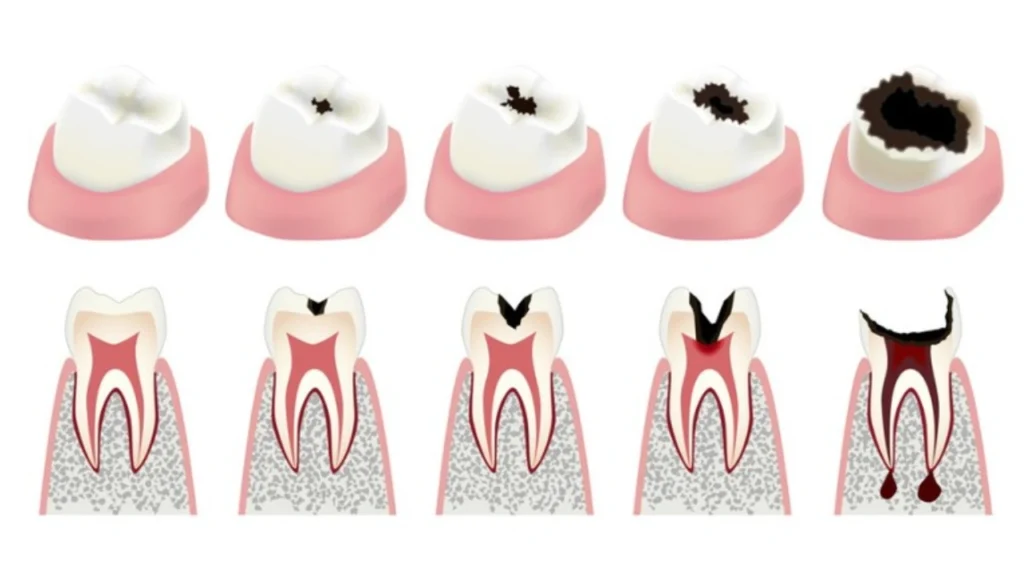
Tooth decay is progressive. It starts at the outer enamel layer and works its way inward through the dentin toward the nerve. At the enamel stage, a filling is all that is needed. Once the decay reaches the nerve, a root canal becomes necessary, which is a longer procedure that costs considerably more.
If the tooth structure becomes too compromised, the dentist may recommend a crown or, in the worst case, extraction followed by dental implant or bridge to replace the missing tooth. At that point, you are looking at a cost that could be five to ten times what a timely filling would have been.
Types of Tooth Fillings Available in Lagos
Several filling materials are available at dental clinics in Lagos, each with specific advantages depending on the location of the tooth, the extent of the damage, your budget, and aesthetic preferences. Here is what you need to know about each one.
1. Composite (Tooth-Colored) Fillings
Composite fillings are made from a resin material that is matched to the shade of your natural teeth. Because they are virtually invisible once placed, they are the most requested filling type, particularly for front teeth and any visible areas.
The material bonds directly to the tooth structure, which means the dentist does not need to remove as much healthy tooth tissue compared to amalgam. Composite fillings also harden under a curing light in seconds.
- Lifespan: 5 to 10 years with proper care
- Best for: front teeth, small to medium cavities, visible areas
- Pros: natural appearance, bonds well, requires less tooth removal
- Cons: slightly more expensive than amalgam, can stain over time with heavy coffee, tea, or tobacco use
You can contact us at Dr. Reach Dental Clinic for composite fillings, or you can book an appointment today.
2. Amalgam (Silver) Fillings
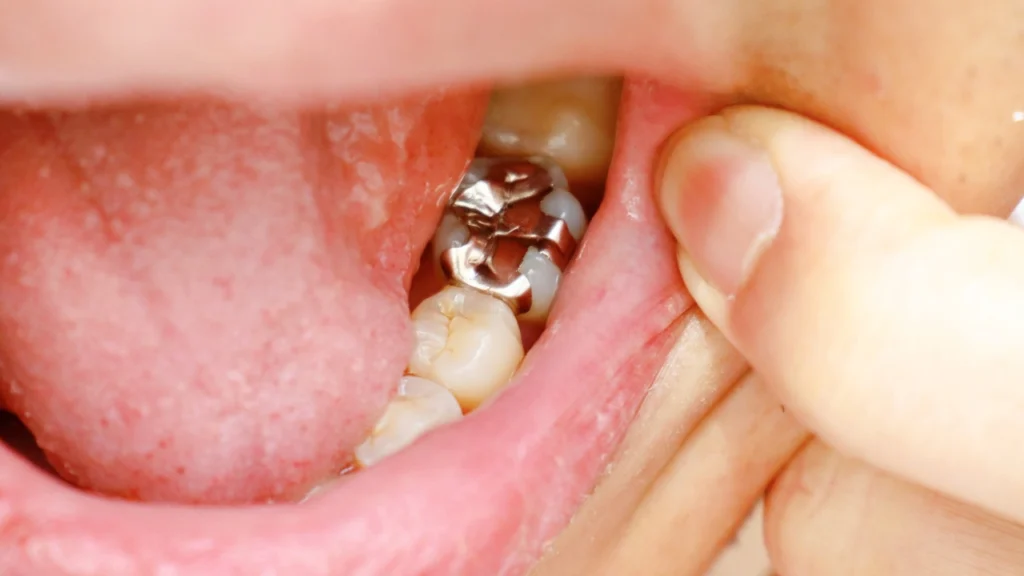
Amalgam has been used in dentistry for over 150 years and remains one of the most durable filling options available. It is a mixture of metals, including silver, tin, copper, and mercury. Despite ongoing questions about mercury content, international dental bodies, including the World Health Organization, consider amalgam safe for use in adults when applied correctly.
Amalgam is particularly effective for back teeth (molars and premolars) because of its ability to withstand the heavy pressure of chewing.
- Lifespan: 10 to 15 years, sometimes longer
- Best for: back teeth, large cavities, patients who grind their teeth
- Pros: highly durable, cost-effective, long-established track record
- Cons: silver appearance makes it visible, requires slightly more tooth removal to place
Some patients prefer to avoid amalgam for aesthetic reasons or personal concerns about metal content. Both are valid reasons to discuss with your dentist. Composite or ceramic alternatives are available.
You can contact us at Dr. Reach Dental Clinic for amalgam fillings, or you can book an appointment today.
3. Ceramic and Gold Fillings (Indirect Restorations)
Ceramic fillings, also called inlays or onlays, are custom-made restorations that are fabricated in a dental lab and then bonded to the tooth. They offer excellent aesthetics and durability and are a good option when a large portion of the tooth needs to be restored, but a full crown is not yet necessary.
Gold fillings are extremely durable and biocompatible, but are rarely requested because of their obvious appearance and higher cost. Both ceramic and gold options are available at specialist clinics in Lagos.
- Lifespan: 10 to 15 years or more
- Best for: larger cavities in visible areas, patients who want long-term aesthetics and durability
- Cons: higher cost, requires at least two appointments
4. Glass Ionomer Cement (GIC) Fillings

Glass ionomer is a tooth-colored material that releases fluoride over time, which helps protect the surrounding tooth from further decay. It is widely used in Nigeria for children’s teeth and for cavities in areas that do not bear a heavy chewing load.
- Lifespan: 3 to 5 years, shorter than composite or amalgam
- Best for: milk teeth in children, root surface cavities, areas near the gum line
- Pros: releases fluoride, bonds chemically to the tooth, gentler for children
- Cons: less durable under heavy biting pressure, not ideal for back molars
You can contact us at Dr. Reach Dental Clinic for composite fillings, or you can book an appointment today.
5. Temporary Fillings
A temporary filling is exactly what it sounds like: a short-term fix. Dentists use them when a tooth needs to be monitored before placing a permanent filling, after a root canal procedure, or when the permanent material needs to be fabricated in a lab.
Temporary fillings are softer, not designed to last, and will typically break down within a few weeks. If your dentist places one, follow up promptly to complete the permanent restoration.
The Tooth Filling Procedure: What to Expect Step by Step
Many people delay treatment because they are unsure what the procedure involves, or they are worried about pain. Here is a clear breakdown of what actually happens.
Before the Filling
Your dentist will examine the affected tooth, take an X-ray to assess the depth of the decay, and discuss which filling material suits your situation. This is the right time to ask questions about cost, material options, or anything that concerns you.
During the Procedure
- Local anesthesia is administered to numb the tooth and the surrounding gum. Most patients feel a slight pinch and nothing after that.
- The dentist uses a drill or laser to remove the decayed tissue. You may hear the sound of the drill, but you should feel no pain.
- The cavity is cleaned thoroughly and prepared for the filling material.
- The filling material is placed in layers (for composite) or packed in (for amalgam) and shaped to fit the natural contour of your tooth.
- For composite fillings, each layer is hardened using a blue curing light.
- The dentist checks and adjusts your bite to make sure the filling does not sit too high.
A straightforward filling typically takes between 30 and 60 minutes. More complex cases or multiple teeth in one session may take longer.
After the Procedure
The numbing effect from the anesthesia takes one to three hours to wear off completely. Avoid eating or drinking anything hot until the sensation returns to prevent accidental burns.
Some sensitivity in the first few days after a filling is normal, particularly with composite fillings. The tooth is adjusting to the new material. If the sensitivity persists beyond two weeks or intensifies, contact your dentist.
| Feeling like your bite is off? If your tooth feels raised or uncomfortable when you close your mouth after a filling, contact us ASAP. A quick bite adjustment usually fixes this within minutes and prevents unnecessary pain. |
How Much Does Teeth Filling Cost in Lagos?
Filling costs in Lagos vary depending on several factors, and no two dental clinics charge exactly the same rates. Understanding what drives the cost helps you make a more informed decision.
Factors That Affect the Price
- Type of filling material: composite costs more than amalgam; ceramic and gold cost the most
- Size and depth of the cavity: a small surface cavity is less work than a deep multi-surface one
- Number of surfaces involved: a filling on one surface of a tooth costs less than one spanning two or three surfaces
- Which tooth is affected: front teeth are more accessible; back molars require more time
- Clinic location and level of equipment: clinics in upscale areas of Lagos with advanced technology typically charge higher rates
Generally, the cost of teeth filling in Lagos starts at ₦15,000 and changes based on the treatment administered by your dentist. For accurate pricing specific to your situation, you can to book a consultation at Dr Reach Dental Clinic.
Does Health Insurance Cover Dental Fillings in Nigeria?
Some Nigerian health insurance providers include basic dental care in their plans, and tooth fillings may be covered either fully or partially. The NHIS covers basic oral health, which includes dental restoration and fillings. You can check your HMO for what is been covered by your plan.
Tooth Fillings for Children in Lagos
Parents often wonder whether their children need fillings for milk teeth, since those teeth will fall out anyway. The answer is yes, in most cases.
Untreated cavities in milk teeth can cause pain that affects eating, speaking, and concentration at school. They can also spread infection to the surrounding gum tissue or to the developing permanent teeth underneath.
What Type of Filling Is Used for Children?
Glass ionomer cement, GIC teeth filling, is commonly used for children because it releases fluoride, which helps strengthen the surrounding tooth. It is also gentler to work with in younger patients who may not sit still for as long as adults. For larger cavities in children with strong enough teeth, composite may also be used.
Making the Experience Less Stressful
Many dental clinics in Lagos now use child-friendly approaches to reduce anxiety during procedures. If your child has a fear of the dentist, let the clinic know when booking. The team can take additional steps to make the visit calm and manageable.
Bringing children to the dentist regularly is one of the most effective ways to prevent cavities and reduce the need for fillings in the first place.
Signs a Filling Needs to Be Replaced
- You can feel a crack or rough edge on the filling
- Sensitivity or pain has returned in a previously filled tooth
- The filling looks visibly cracked or a piece has broken off
- Your dentist sees wear or gap formation on your X-ray
A filled tooth can still develop new decay around the edges of the filling, especially if oral hygiene is poor. Regular dental checkups every six months are the best way to catch these issues early. You can book your own dental checkup today.
Composite vs Amalgam: Which One Should You Choose?
This is one of the most common questions patients ask, and the honest answer is that it depends on the specific tooth and your personal priorities.
If the tooth is visible when you smile or speak, composite filling is the better choice. The tooth-colored material blends in so well that most people cannot tell a filling is there. For back molars that bear heavy chewing pressure and are not visible, amalgam’s durability makes it a practical option, particularly if cost is a significant consideration.
Some patients prefer to avoid amalgam entirely due to concerns about the mercury content. While regulatory bodies including the WHO and the American Dental Association consider dental amalgam safe for adults, the choice is ultimately yours. Composite is a safe, effective, and aesthetically superior alternative.
At Dr. reach dental clinic, we will discuss both options with you based on the specific tooth, the size of the cavity, and your budget, so you can make a decision that makes sense for your situation.
Great Read: Cost of Dental Implants in 2026
How You Should Care for Your Teeth After Your Teeth Filling
A teeth filling is not the end of treatment, it is the beginning of maintenance. How you care for the tooth afterward affects how long the filling lasts and whether new decay forms around it.
The First 24 Hours
- Avoid chewing on the filled side until the anesthesia has fully worn off
- Stay away from very hot or very cold food and drinks for the first day
- For composite fillings, avoid intensely pigmented foods and drinks like palm oil-heavy meals, strong coffee, and Zobo immediately after placement
- If you had an amalgam filling, avoid hard or sticky foods for at least 24 hours while the material sets fully
Long-Term Care for Your Teeth After a Dental Filling
- Brush twice daily with a fluoride toothpaste (please not charcoal)
- Floss once daily, making sure to clean around the filled tooth
- Reduce frequency of sugary drinks, including soft drinks and sweetened tea or malt
- Attend a dental checkup every six months so the filling can be monitored
- If you grind your teeth at night, ask your dentist about a night guard to protect your fillings
Lagos diet often includes a lot of hard textures, crunchy snacks, and sweet drinks. None of these need to be eliminated, but moderation and good brushing habits go a long way in making a filling last.
You can also read: Dental Implant vs Bridge vs Denture
Frequently Asked Questions About Tooth Fillings in Lagos
In Lagos, the cost of a tooth filling is ₦15,000 upward. The price varies depending on the type of material, the size of the cavity, and the clinic. Composite (tooth-colored) fillings are moderately priced and more expensive than amalgam, while ceramic options sit at the higher end.
The procedure itself is done under local anesthesia, so you should feel no pain during the filling. You may feel pressure or vibration from the drill, but not pain. Some mild sensitivity after the anesthesia wears off is normal and usually resolves within a few days.
It depends on the material. Amalgam can last 10 to 15 years, composite lasts 5 to 10 years, and glass ionomer typically lasts 3 to 5 years. With good oral hygiene and regular checkups, fillings can last at the upper end of these ranges.
Yes. Glass ionomer cement is the most commonly used material for milk teeth because it releases fluoride and is less invasive to place. Treating cavities in children’s teeth prevents pain, infection, and potential damage to the permanent teeth developing underneath.
Call your dentist as soon as possible. In the meantime, avoid chewing on that side of your mouth and try to keep the area clean. Leaving the tooth exposed can lead to increased sensitivity, cracking, or new decay.