Skip to content
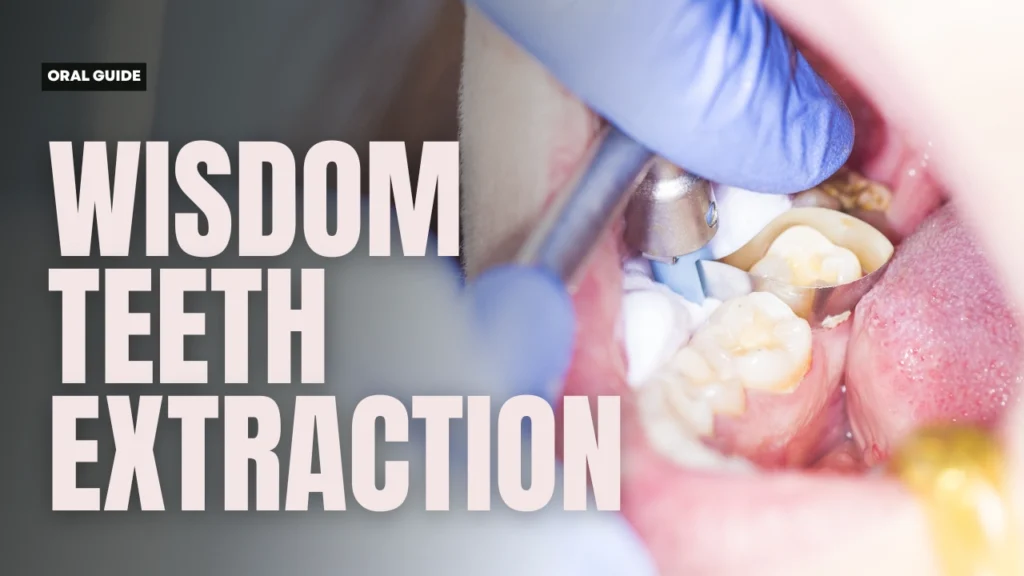
Most people know their wisdom teeth are coming in long before they visit a dentist. There is a familiar dull pressure at the back of the jaw, a tenderness that comes and goes, and a vague sense that something is not quite right. For many Lagos residents, that feeling gets filed away under things to deal with later, somewhere between the traffic on the Third Mainland Bridge and a packed Monday morning at the office.
The problem is that wisdom teeth rarely sort themselves out. And the longer you wait, the more complicated things tend to get.

What Are Wisdom Teeth and Why Do They Cause Problems?
Wisdom teeth are your third molars, the last set of teeth to come in, usually between the ages of 17 and 25. Most adults have four of them, one at each corner of the mouth.
The issue is that by the time they arrive, there is often no space left in the jaw to accommodate them. This forces them to push against your existing teeth, grow in at an angle, or remain partially trapped under the gum. When a tooth cannot fully break through the surface, it is referred to as impacted.
Not every wisdom tooth needs to come out. Some erupt cleanly and cause no trouble at all. But when they do cause problems, those problems tend to escalate quickly.
7 Signs You Need Wisdom Teeth Removal
To know if you need your wisdom teeth to be removed, these are the signs you must not joke with:
- Pain at the Back of Your Jaw That Will Not Go Away
- Swollen or Tender Gums Around the Tooth
- Difficulty Opening Your Mouth or Chewing
- A Bad Taste or Persistent Bad Breath
- Your Other Teeth Are Shifting
- Repeated Infections in the Same Area
- Your Dentist Spotted a Problem on Your X-ray
1. Pain at the Back of Your Jaw That Will Not Go Away
This is usually the first signal. A persistent, throbbing ache near the back of your mouth, sometimes radiating toward your ear or neck, is one of the clearest signs that your wisdom tooth is under pressure. If the pain is disrupting your sleep or making it hard to concentrate at work, do not wait it out. Book an appointment with a dentist as soon as possible.
2. Swollen or Tender Gums Around the Tooth
When a wisdom tooth is only partially erupted, the flap of gum tissue covering it creates a pocket where food debris and bacteria easily collect. This leads to a condition called pericoronitis, which causes the gum to swell, redden, and become very tender to the touch. Left untreated, the infection can spread.
3. Difficulty Opening Your Mouth or Chewing
If you notice that your jaw feels stiff, that opening your mouth wide is painful, or that chewing on one side has become uncomfortable, that is worth taking seriously. Swelling from an infected or impacted wisdom tooth can affect the muscles and tissues around the jaw.
4. A Bad Taste or Persistent Bad Breath
Another sign you need to remove your wisdom teeth is bad breath. This is one that many people overlook or mistake for a general hygiene issue. If you are brushing regularly but still have a persistent bad taste or odor coming from the back of your mouth, it could be a sign of infection or trapped food in the tissue around an impacted tooth.
5. Your Other Teeth Are Shifting
Wisdom teeth pushing against neighboring molars is another sign because it can create pressure that causes your other teeth to shift or crowd over time. If you have noticed changes in how your teeth align, or if you had orthodontic work done in the past and things seem to be moving again, your wisdom teeth may be contributing to it. Book a dental check up as you are reading this.
6. Repeated Infections in the Same Area
If you have had more than one episode of swelling, pain, or infection in the same part of your mouth, that pattern is telling you something. Recurring infections around an impacted tooth will not resolve permanently without addressing the source.
7. Your Dentist Spotted a Problem on Your X-ray
This one surprises people. Some impacted wisdom teeth cause no pain at all, at least not initially. But on an X-ray, a dentist can see a tooth growing at a damaging angle, a cyst forming around an unerupted tooth, or pressure building against the roots of adjacent teeth. Asymptomatic does not mean harmless.
What Happens If You Keep Delaying Wisdom Teeth Extraction?
At Dr. Reach, we’ve seen how the saying “The cost of waiting is usually higher than the cost of acting early” really is. An impacted wisdom tooth that is ignored can develop a cyst, which may damage surrounding bone and healthy teeth. Infections can spread beyond the mouth into the jaw, throat, and neck, and in rare but serious cases, this becomes a medical emergency.
For working professionals in Lagos managing tight schedules, it can feel easier to put this off. But a straightforward wisdom teeth removal today is a much simpler and less disruptive process than emergency treatment for a severe infection three months from now.
How Much Does Wisdom Teeth Removal Cost in Lagos?
The cost of wisdom teeth removal often starts at 100,000 naira. Impacted wisdom teeth removal cost varies depending on the complexity of the case. A simple extraction costs less than a surgical removal, and the price will also be influenced by whether you need an X-ray before the procedure and the specific tooth involved.
At Dr. Reach Dental Clinic, we give patients a clear breakdown of costs after an assessment, so there are no surprises. If you have been searching “how much is wisdom teeth removal in Lagos” or wondering about wisdom teeth removal cost with insurance, the most accurate answer will come after a proper examination rather than a generic price list.
What to Expect Before, During, and After the Procedure
Before your appointment: Your dentist will assess the position of the tooth and determine the right approach. Let your dentist know about any medications you are taking or any relevant medical history.
During the procedure: Local anaesthesia is administered to numb the area completely. You may feel pressure during the extraction but no sharp pain. For a simple case, the procedure can take as little as 20 to 30 minutes.
Wisdom teeth removal recovery typically involves some swelling and tenderness for the first two to three days. This is normal and manageable with prescribed pain relief and a little rest. Wisdom teeth removal recovery time is usually three to seven days for most patients before they feel comfortable returning to normal activity.
Foods to eat after wisdom teeth removal should be soft and easy to chew. Think pap, mashed yam, yoghurt, blended soups, and smoothies. Avoid hot, hard, or spicy foods in the first few days.
Pain, 10 days after wisdom teeth removal, that is getting worse, not better, is something to flag with your dentist. Most discomfort should be improving by that point. If it is not, or if you notice renewed swelling, fever, or a bad taste returning, contact your clinic promptly.
Book a Consultation at Reach Dental Clinic
If you are experiencing any of the symptoms above, or if you have simply been putting off a dental check-up, this is a good time to act. At Reach Dental Clinic, we see patients across our Yaba and Ikeja locations and take the time to explain your options clearly before any procedure.
Wisdom teeth concerns are common. The process is manageable. And starting with a consultation costs you very little while giving you a clear picture of what is actually going on in your mouth.
Visit us at our Yaba or Ikeja clinic, or book your appointment online at www.reachdentalclinic.com.
If you like this article, these are other great reads:
What to Do After Tooth Extraction: Your Recovery Guide (Lagos Edition)
What Are the Benefits of Scaling and Polishing Teeth?
Teeth Scaling and Polishing in Lagos: The Ultimate 2026 Guide
Teeth Scaling and Polishing Side Effects
The Complete Information You Need on Dental Tartar
All You Should Know About Tooth Extraction in 2026