Skip to content
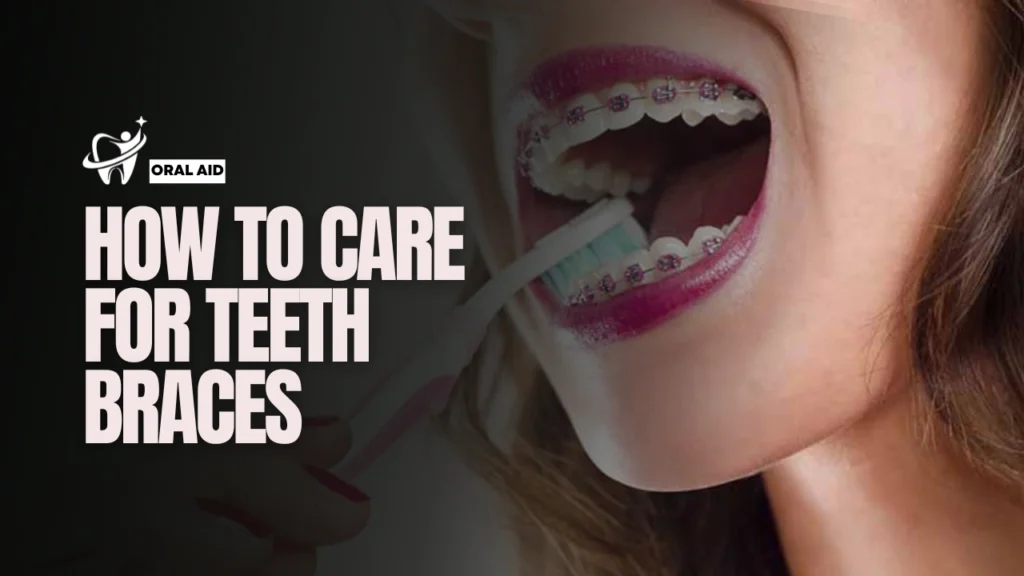
Getting orthodontic braces is one of the best decisions you can make for your smile and your long-term oral health. But braces only do their job when you take care of them properly. Neglect the upkeep, and you risk cavities, swollen gums, stained teeth, broken brackets, and worst of all, a longer treatment time.
This guide covers everything you need to know about caring for teeth with braces, from daily brushing habits to foods to avoid, managing discomfort, and protecting your investment. Whether you just got braces fitted or you’re a few months into treatment, this is your practical reference.

How to Brush Your Teeth With Braces
Brushing becomes more important the moment braces go on. The brackets and wires create dozens of tiny spaces where food particles and plaque can hide. This means a standard brushing routine is no longer enough.
Your morning and night brushing CANNOT be missed now. Use a soft-bristled toothbrush and fluoride toothpaste. Angle the brush at 45 degrees toward the gum line and brush along the top and bottom of each bracket. Spend at least two minutes each session, making sure no surface is skipped.
An electric toothbrush is worth considering. It covers more surface area per stroke and does a better job of disrupting plaque around brackets compared to a manual brush. Either works, but consistency matters more than the tool.
After meals, when brushing is not immediately possible, rinse your mouth thoroughly with plain water. It won’t replace brushing, but it washes away food debris and reduces acid buildup until you can properly clean your teeth.
How to Floss Your Teeth With Braces on?
Flossing with braces feels awkward at first, but it is not optional. The spaces between your teeth are still accumulating plaque even while you have wires running across them, and a toothbrush alone cannot clean those areas.
Use a floss threader to guide the floss under the archwire and between each pair of teeth. Thread, clean gently, and repeat for every gap. It takes longer than regular flossing, but it’s better than the alternative, which is having an untreated plaque between your teeth.
If floss threaders feel too fiddly for daily use, a waterflosser (oral irrigator) is an excellent alternative. It uses a pressurised stream of water to flush food and plaque from between the teeth and around brackets. Many patients with braces find it far easier to use consistently, and research supports its effectiveness as a complement to brushing. Floss at least once a day, ideally before bed.
What Are the Foods You Should Avoid When Using Braces?
This is where Lagos life requires some honest adjustments. Certain foods will damage your braces, break brackets off your teeth, or get so thoroughly lodged in the wires that no amount of brushing removes them completely.
The food you should avoid entirely during treatment:
- Hard foods: crunchy chin-chin, hard candy, bone-in meat you bite directly, hard biscuits, popcorn, unshelled groundnuts
- Sticky foods: toffees and any sticky sweets
- Chewy foods: tough dried meat (suya from the tough parts), bagels, thick licorice
- Crunchy raw vegetables bitten directly: carrots, raw cucumber in large pieces
What you can still enjoy (with some adjustments):
Soft, well-cooked foods are your best friends during braces treatment. Rice, beans, mashed yams, soft-boiled plantain, soups, stews, soft fish, eggs, pasta, and smoothies are all fine. Hard fruits like apples and pears should be sliced into small pieces rather than bitten whole. Corn should be cut from the cob. Suya can still be eaten, just choose the tender pieces and chew gently.
The logic is straightforward: hard and sticky foods put stress on brackets and wires that they are not designed to handle. A broken bracket means an unscheduled visit to the clinic.
Managing Tooth Braces Soreness and Discomfort?
Some discomfort is completely normal after braces are first placed and after each adjustment appointment. Your teeth are being moved by sustained, gentle force, and the surrounding tissues respond to that.
The soreness typically peaks within the first 24 – 48 hours after fitting or adjustment, then fades. During this window, stick to soft foods, rinse with warm salt water (one teaspoon of salt in a glass of warm water), and take an over-the-counter pain reliever if needed.
Wires and brackets can sometimes irritate the soft tissue of the inner cheeks. Orthodontic wax solves this. Take a small piece, roll it into a ball, and press it over the bracket or wire that is irritating. It creates a smooth barrier between the metal and your cheek until the soreness resolves.
What to Do About Loose Brackets or Broken Wires
Accidents happen. A bracket can come loose from biting something hard, or a wire can work its way out of position. When this happens, contact Dr. Reach Dental Clinic as soon as possible. Broken braces cannot apply the correct force to your teeth, and leaving them unaddressed will delay your treatment.
While waiting for your appointment, if a wire is poking, use orthodontic wax to cover the sharp end. If a bracket has come off completely but is still threaded on the wire, leave it in place and call the clinic. Do not throw it away.
Why You Must Keep Your Orthodontic Appointments
Your adjustment appointments are not just routine check-ins. They are how your treatment progresses. At each visit, the orthodontist evaluates tooth movement, adjusts the archwires, and makes sure everything is on track.
Skipping or delaying appointments does not pause your treatment, it just means your teeth stop moving in the right direction while time passes. It is one of the most common reasons treatment runs longer than initially planned.
You also need to continue seeing your dentist for professional cleanings during orthodontic treatment. Book a dental check-up at least every six months. Braces make it harder to clean teeth thoroughly, which means professional cleaning during this period is more important than ever, not less.
What Happens If You Don’t Care for Your Braces Properly?
Poor oral hygiene during orthodontic treatment has consequences that extend beyond cavities. Plaque buildup around brackets causes gum inflammation, and, left unchecked, it can progress to gum disease. White spot lesions from decalcification can become permanent stains on the enamel. In severe cases, tooth decay during treatment may require fillings or even compromise the teeth that were being straightened.
The goal of braces is a healthy, aligned smile. Undermining that with poor home care defeats the entire purpose of treatment.
Ready to Start Your Braces Journey in Lagos?
If you are thinking about braces or have questions about orthodontic care at any stage of treatment, our team at Dr. Reach Dental Clinic is ready to help. We provideorthodontic braces for both adults and teenagers at our Yaba clinic in Lagos, with personalised guidance at every appointment.
Book your consultation today, and let’s build the smile you deserve.